Malcolm Furlow
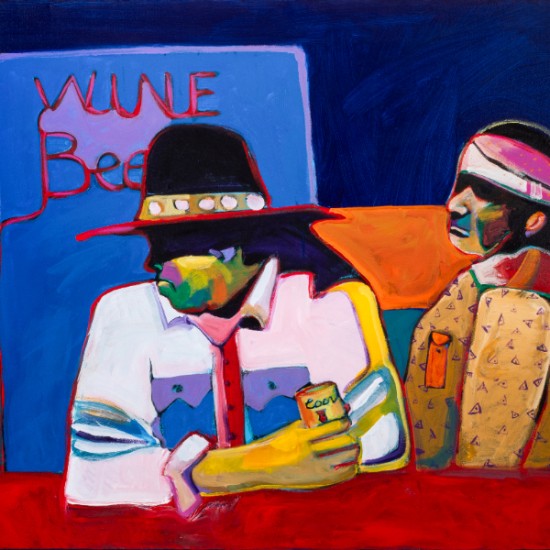
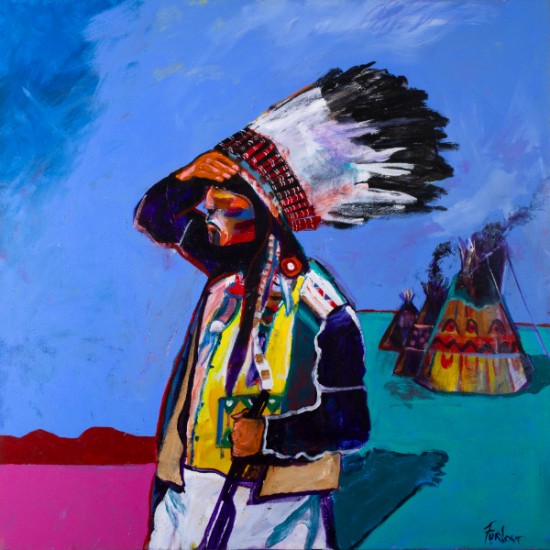
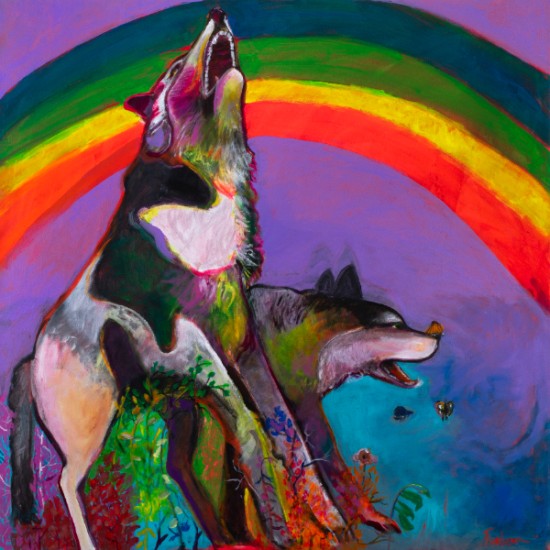
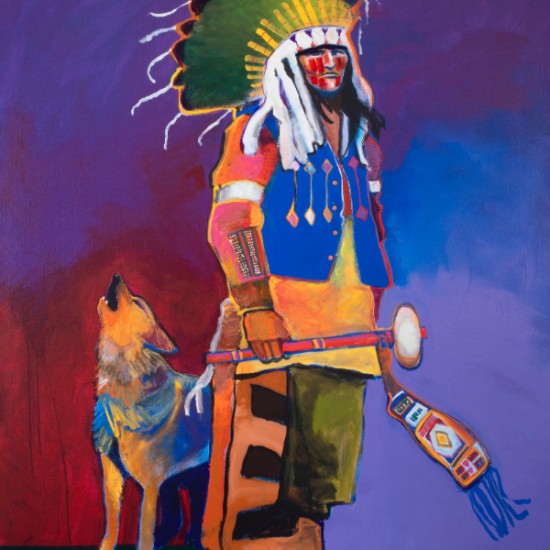
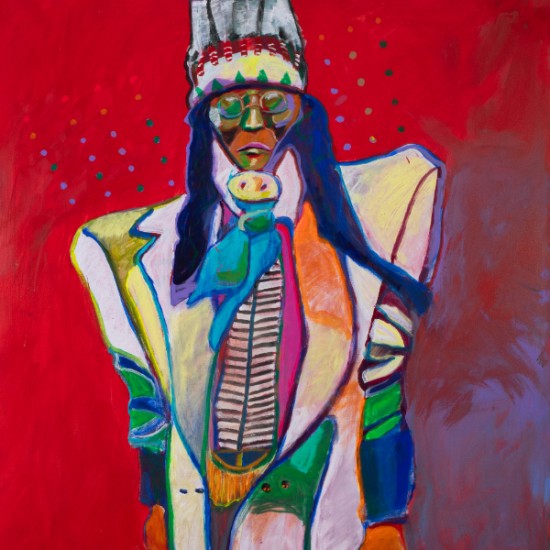
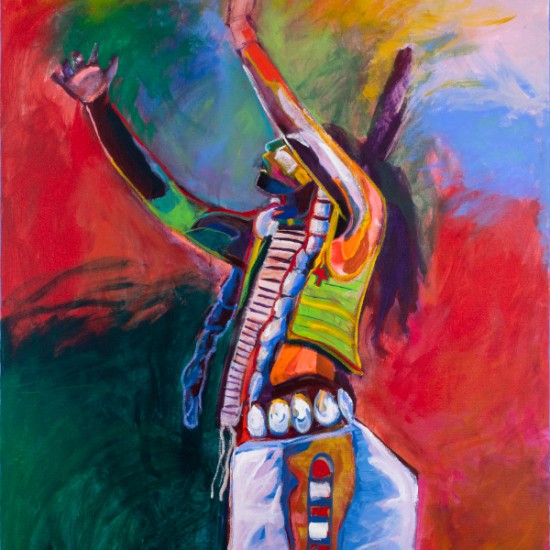
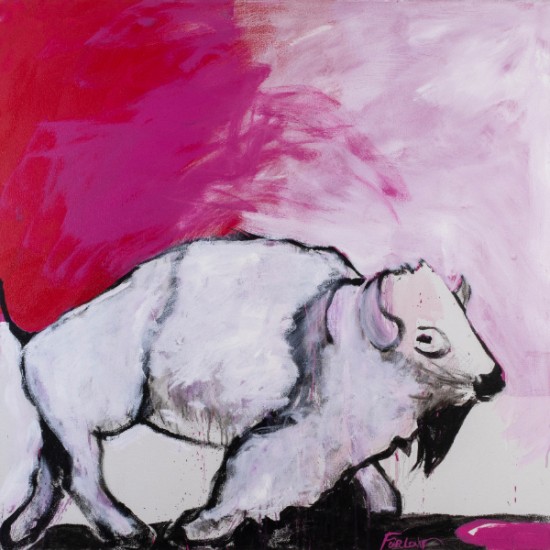
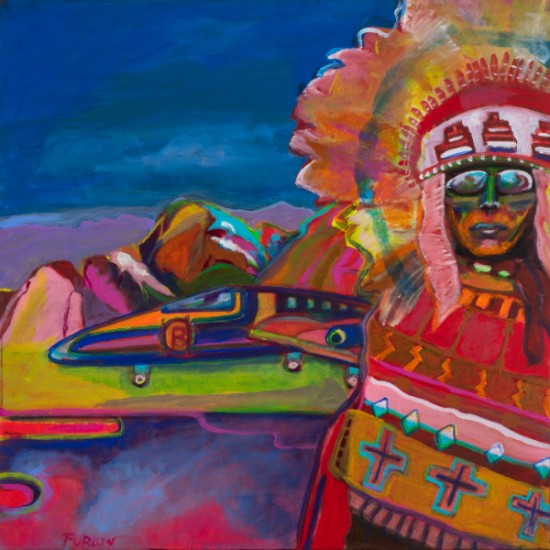
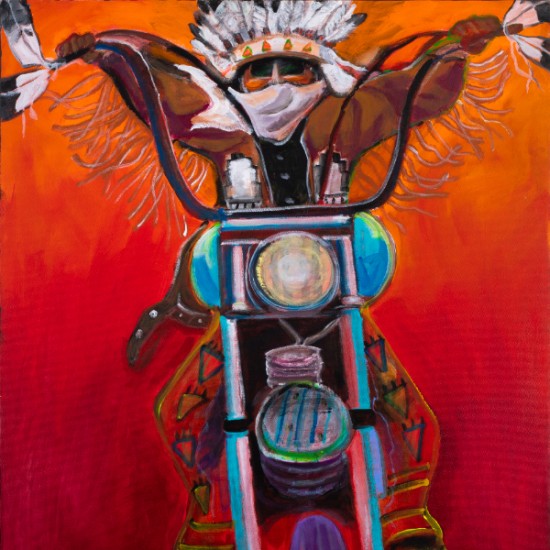
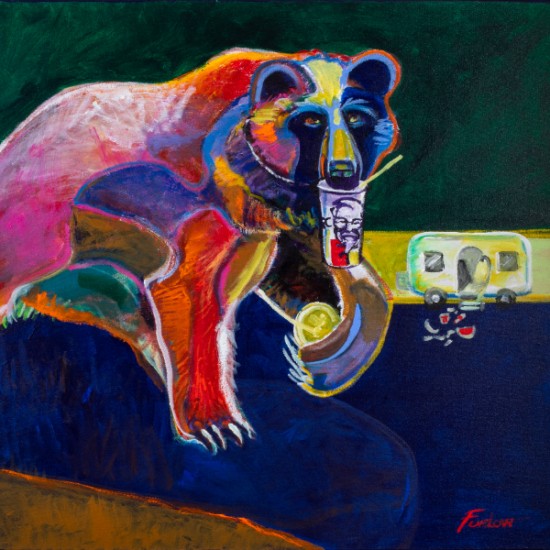
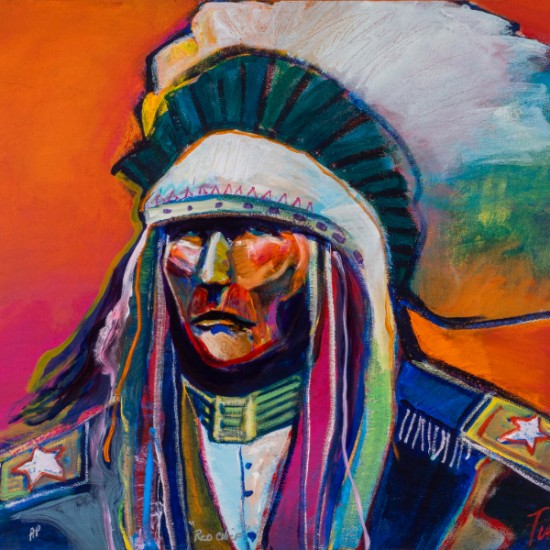
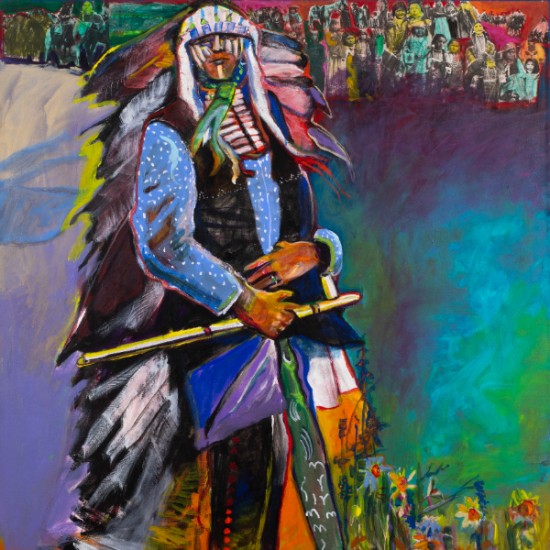
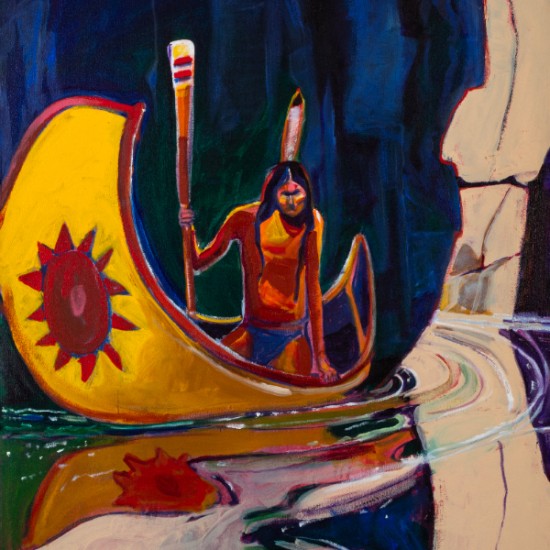
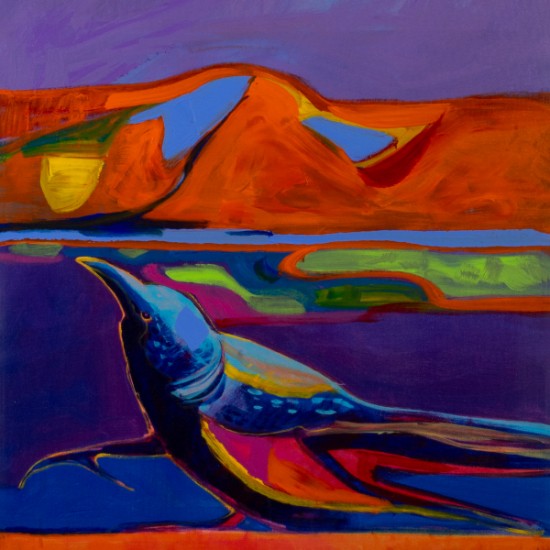
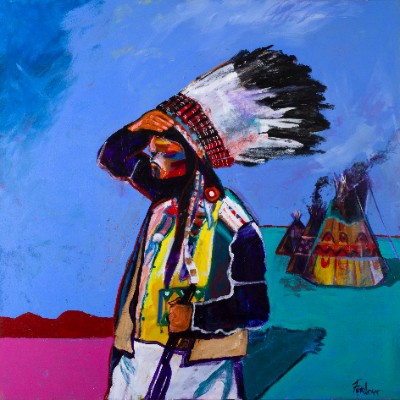
Malcolm Furlow (1946–2023) was an American painter celebrated for his bold, highly saturated acrylic works depicting Native American figures, buffalo, cowboys, and Western life. Associated primarily with Taos, New Mexico, he developed a distinctive expressionistic style marked by electrifying color, flattened forms, and a dynamic fusion of traditional Southwestern …
Malcolm Furlow (1946–2023) was an American painter celebrated for his bold, highly saturated acrylic works depicting Native American figures, buffalo, cowboys, and Western life. Associated primarily with Taos, New Mexico, he developed a distinctive expressionistic style marked by electrifying color, flattened forms, and a dynamic fusion of traditional Southwestern subjects with contemporary energy.
Born in Louisiana in 1946, Furlow had Choctaw ancestry on his father’s side. His grandfather had been taken from a reservation as a boy and sent to a Christian boarding school, where his braids were cut and he was punished for speaking his language. As a young child in Louisiana, Furlow witnessed violence against Native people in his neighborhood; the family later moved to Dallas for safety. Instructed by his father not to mention their heritage, he never met his Choctaw relatives. These early experiences, combined with childhood trips through New Mexico with his father, sparked a lifelong fascination with Native American subjects—he began drawing them at age six.
He attended the University of Texas on a track scholarship and switched his major to art, but left after a professor disapproved of his style. He then spent roughly 18 years as a professional rock-and-roll musician, playing saxophone, bass, and guitar and backing artists including the Beach Boys and Lou Rawls. After music, he applied his visual skills to building models and movie sets for Walt Disney Studios. He also pursued photography, writing books for Kodak (including one on close-up photography of miniatures) and contributing to Italian Vogue. In the 1980s he became a well-known figure in the model railroading community, authoring articles and books for Model Railroader and building layouts, including one at his ranch near Taos.
In 1987, inspired by Joseph Campbell’s advice to “follow your bliss” (and, in some accounts, a near-death experience or spiritual awakening), Furlow returned full-time to painting. He established a studio in Taos and focused on large-scale, vividly colored acrylics of Native American subjects. He cited influences including Fritz Scholder, Andy Warhol, and Peter Max. His approach emphasized emotion and dignity: “I knew I wanted to say it with color because that’s the emotion of it. … All I’m trying to do is paint them as they are—paint their culture, their dignity and their stature.”
By 2007 he had sold out more than 50 solo exhibitions. His work entered collections including the White House, the Smithsonian, U.S. embassies, the Eiteljorg Museum, the National Wildlife Museum, and the Santa Fe Fine Arts Museum, as well as private collections of numerous public figures. He received a Silver Award from the Sorbonne and a Gold Award from the Luxembourg Museum in Paris (an honor shared with Pablo Picasso). A PBS documentary, The Life and Art of Malcolm Furlow, profiled him as a “Renaissance man”—cowboy, musician, and intellectual artist.
Furlow lived and worked in the Taos area for decades. He died in March 2023 from the effects of long COVID at the age of 76 or 77. His paintings continue to appear regularly at auction and in galleries specializing in contemporary Southwestern and Native American art.